Health goals are changing fast in India. People want food that’s real, local, and helps shed that extra fat without feeling starved all the time. That’s where millets like Jowar (sorghum) and Bajra (pearl millet) walk in proudly. These grains have been part of Indian plates for centuries, especially in rural kitchens. Funny how city folks are now catching up with what our grandmothers already knew.
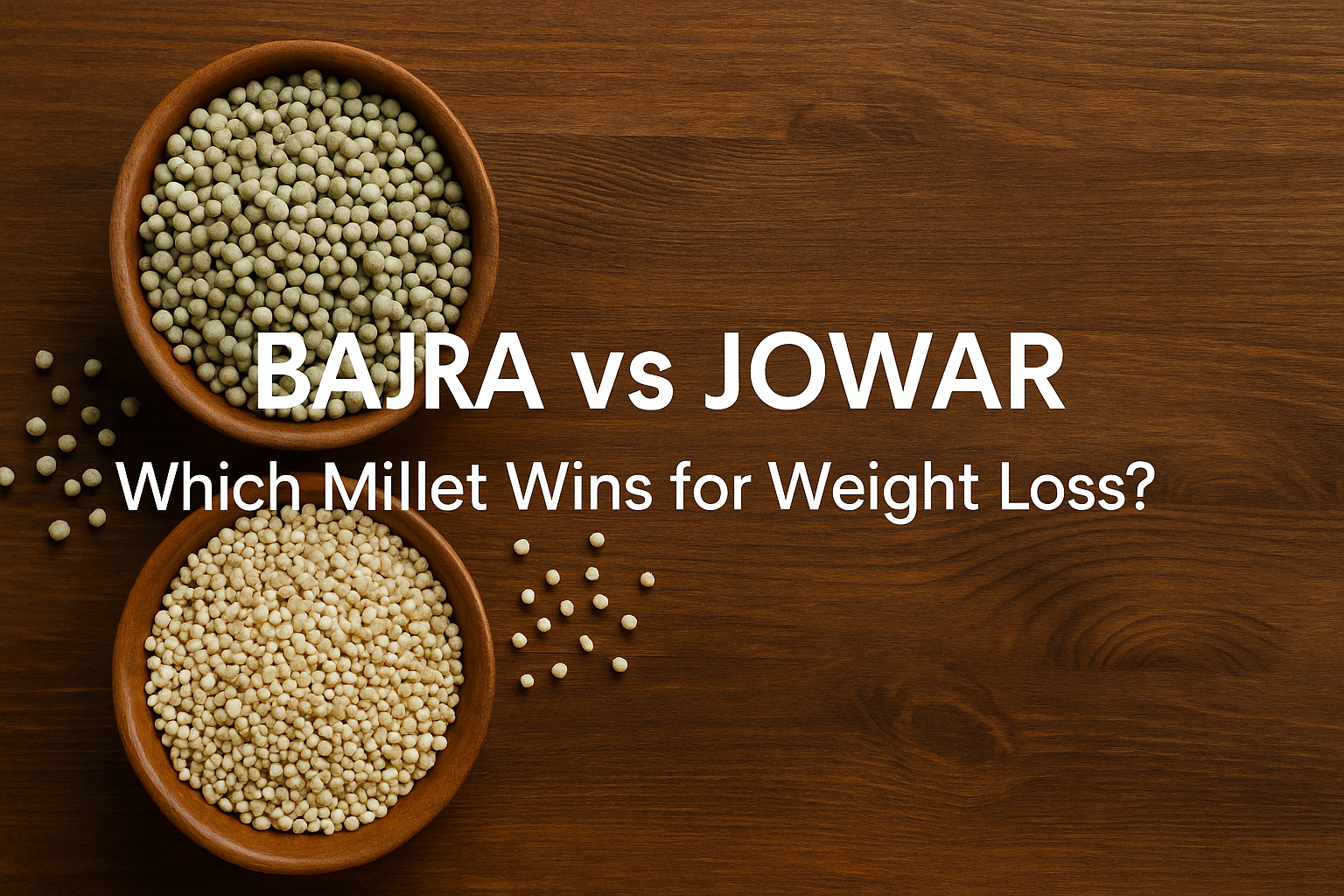
Weight loss doesn’t mean eating fancy imported stuff or skipping meals. It’s about better choices. Between Jowar and Bajra, many people scratch their heads thinking, Which one works better for weight loss? Both are rich in fibre, full of good nutrients, and easy on the stomach. Still, their effects on metabolism, energy, and hunger differ a bit.
So, let’s dig a little deep and see which millet makes more sense when you’re trying to slim down while keeping your meals desi and satisfying.
Which one should you choose – Jowar or Bajra for weight loss
There’s no single winner here — but let’s break it down.
| Concern | Better Option | Why |
|---|---|---|
| Lower calorie meals | Jowar | Fewer calories and lighter on stomach |
| Longer satiety | Bajra | More fibre and protein |
| Sugar control | Bajra | Lower glycaemic index |
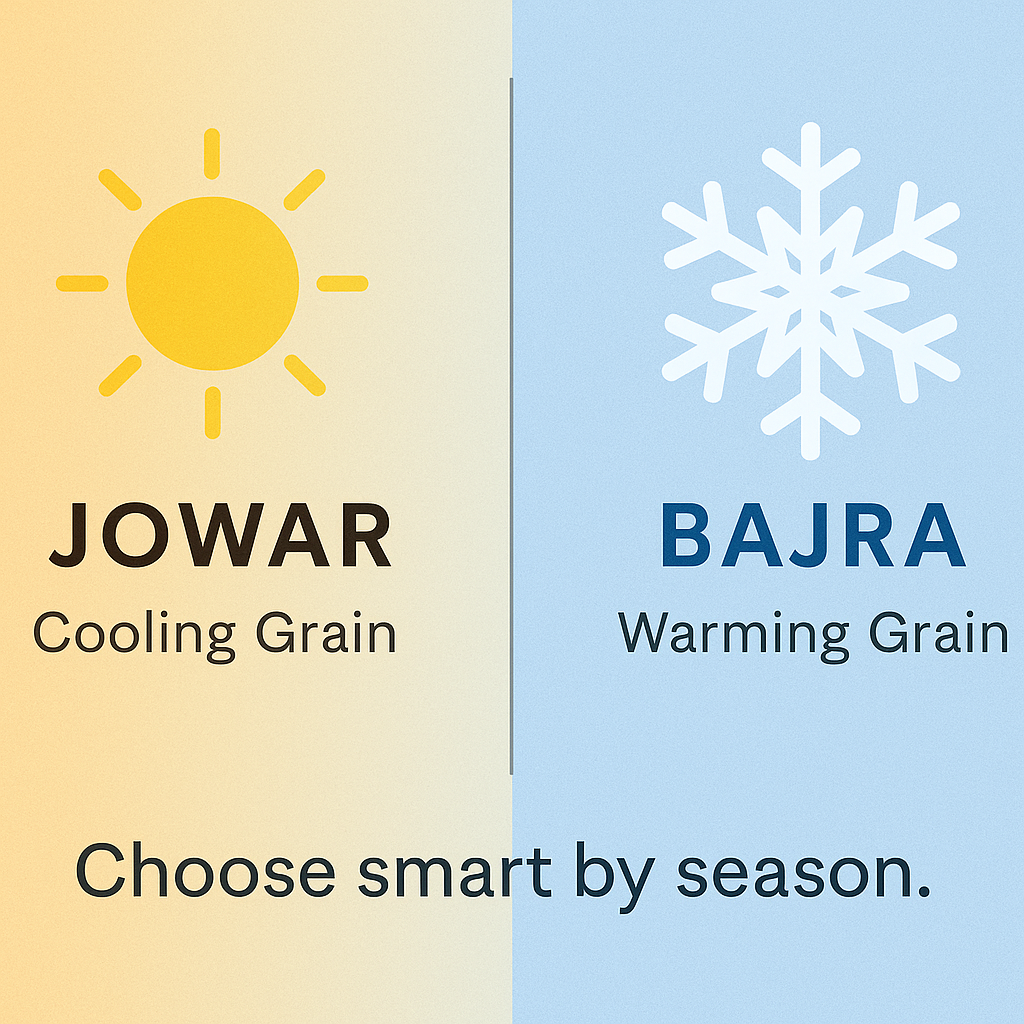
| Summer season diet | Jowar | Cooling effect and easier digestion |
| Winter energy needs | Bajra | Warming and nutrient dense |
| Sensitive stomach | Jowar | Softer and gentler fibre content |
So basically, use both. Rotate weekly or seasonally — Jowar more in summer, Bajra more in winter. That’s what traditional Indian diets always did, and our bodies evolved with that logic.
What are Jowar and Bajra – Traditional Indian millets back in spotlight
What is Jowar (Sorghum) and why it fits the Indian weight loss plate
Jowar is a staple in states like Maharashtra, Karnataka, and Andhra Pradesh. It’s a gluten-free cereal known for keeping your tummy full for longer. Jowar rotis are light yet filling, perfect when you’re cutting calories but don’t wanna feel hungry again in an hour.
- It contains complex carbs, meaning it digests slowly
- It gives steady energy without sugar spikes
- It’s loaded with B vitamins, iron, and magnesium
In short, Jowar’s the quiet achiever of the millet family.
What is Bajra (Pearl Millet) and how it supports Indian fat loss diets
Bajra has been the heart of winter diets in northern India for generations. Bajra rotla or khichdi with a bit of curd on the side is both comforting and healthy. Bajra has a nutty taste and packs more protein and iron than many cereals.
- High in dietary fibre and essential amino acids
- Keeps you fuller for hours, helping reduce snack cravings
- Ideal for people who want slow and steady weight reduction
Both grains share some similarities, but they’re not the same. Let’s see how they differ in nutrition and what matters when your goal is dropping kilos the smart way.
Nutritional profile comparison – Jowar vs Bajra chart for better clarity
| Nutrient (per 100g) | Jowar (Sorghum) | Bajra (Pearl Millet) |
|---|---|---|
| Calories | 329 kcal | 378 kcal |
| Protein | 10.4 g | 11.6 g |
| Carbohydrates | 72.6 g | 67.5 g |
| Fat | 1.9 g | 5 g |
| Fibre | 6.6 g | 8.5 g |
| Iron | 4.1 mg | 8 mg |
| Calcium | 25 mg | 42 mg |
Observation:
- Bajra offers more fibre, fat, and minerals (especially iron and calcium).
- Jowar is slightly lower in calories and fat, making it a bit lighter.
- Both are solid choices, but their strengths differ depending on what your body needs.
Glycaemic index comparison – How Bajra and Jowar impact sugar levels and hunger
When you’re on a weight loss plan, it’s not just about calories. How your food affects blood sugar matters too. The glycaemic index (GI) shows how fast your body converts carbs into glucose.
| Grain | Approx. GI Value | Sugar Impact | Satiety |
|---|---|---|---|
| Jowar | 62 | Moderate | High |
| Bajra | 54 | Low | Very High |
So yeah, Bajra’s slightly better for people watching their sugar spikes. It digests even slower than Jowar, giving that “I’m full” feeling longer. Still, Jowar’s GI is low enough to fit easily into any balanced weight-loss plan.
Pro Tip: If you’ve got borderline diabetes or insulin resistance, Bajra might serve you better in the long run.
Weight loss benefits of Jowar – A light, steady choice for calorie control
Jowar helps trim body weight through a bunch of small but steady advantages:
- Rich in fibre – keeps you full, so you snack less
- Low in fat – helps reduce overall daily calorie intake
- Gluten-free – no bloating, feels light on the stomach
- Helps in metabolism – thanks to magnesium and B vitamins
- Easy to digest – doesn’t overload your digestive system
A meal of Jowar roti with sabzi and curd can easily replace heavy wheat-based lunches. You get the satisfaction of a full meal without the sluggish feeling after.
Weight loss benefits of Bajra – Nutrient powerhouse with better satiety
Bajra has more of that earthy flavor and thicker texture, but it brings strong nutrition benefits too. It’s a winter favorite for a reason — keeps you warm, energized, and reduces cravings.
Here’s why Bajra shines for those watching their waistline:
- Higher fibre content – makes you feel full for hours
- Good plant protein – helps maintain lean muscle during fat loss
- Rich in iron and zinc – supports metabolism and energy
- Promotes gut health – the fibre acts like a scrub for your system
- Lowers LDL cholesterol – long-term heart health plus weight benefits
If you often feel hungry after a meal, Bajra might be your new friend. It sits a little heavier but gives your body the nutrients it actually needs.
Practical ways to include Jowar and Bajra in Indian diets
| Meal Type | Jowar Options | Bajra Options |
|---|---|---|
| Breakfast | Jowar upma, Jowar dosa, Jowar porridge | Bajra khichdi, Bajra cheela, Bajra porridge |
| Lunch | Jowar roti + sabzi + curd | Bajra roti + lauki sabzi + buttermilk |
| Snacks | Roasted Jowar puffs | Bajra ladoo (small portion), Bajra tikki |
| Dinner | Light Jowar bhakri with dal | Bajra khichdi or soft Bajra roti with soup |
Also Read: Millets vs Oats – Which is Better for Weight Loss?
Try to rotate both millets every other day. That way, your gut adapts and you avoid the “too much fibre” discomfort that sometimes comes when you change diets quickly.
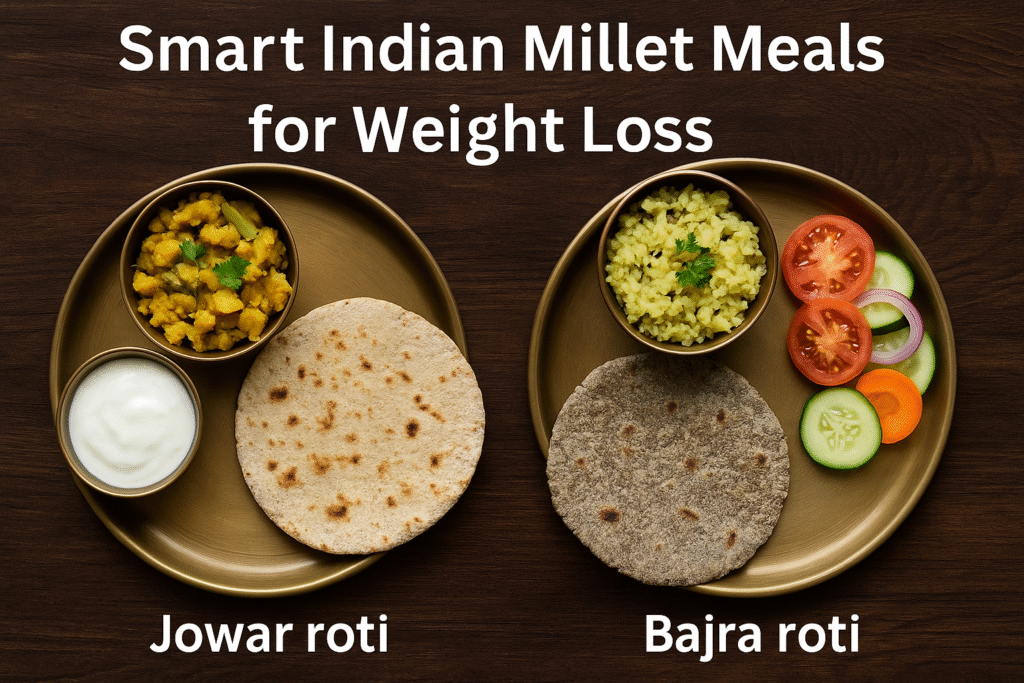
When you think long term, both are affordable. If you prefer lighter meals, Jowar fits better. If you want stronger nutrition and longer satiety, Bajra’s the one.
Precautions and small notes before switching to millets
A few people might need to be a bit cautious when shifting from polished grains to millets.
- Go slow: Don’t switch overnight. Start with one millet meal per day.
- Thyroid concerns: Bajra and other millets contain goitrogens, so if you have hypothyroidism, limit intake to 2–3 times a week.
- Digestive discomfort: Too much fibre too fast can lead to bloating or gas. Drink enough water.
- Balance nutrients: Add curd, lentils, or veggies to millets so meals are complete.
Millets are great, but like any food, they work best when eaten smartly and consistently.
Summary and recommendations – Key takeaways for Indian weight loss readers
Jowar and Bajra are both desi superfoods that deserve more space on our plates.
Jowar
- Light, easy to digest, suits daily meals
- Slightly fewer calories
- Works better in summer and for light digestion
Bajra
- Richer in nutrients
- Keeps you fuller longer
- Best for colder months or for people who feel hungrier
If losing weight in a healthy, sustainable way is your goal, switch to either of these instead of refined grains like white rice or maida.
Also Read: Millets for Diabetes Control – The Smart Way to Eat Healthy
Conclusion – Balancing Jowar and Bajra for real Indian weight management
Losing weight doesn’t mean giving up on real food or going fancy with imported diets. Sometimes, the secret lies right in our own kitchen jars. Both Jowar and Bajra have their charm — Jowar keeps it light and easy, Bajra brings deep nourishment and fullness. When you mix both smartly across the week, you’ll feel the energy difference within a few days.
Weight loss isn’t a one-time sprint, it’s more like a routine drive — steady and consistent. So cook them, roll them into soft rotis, or stir them into khichdi. Keep your meals Indian, balanced, and tasty. That’s the real win.